Tree Removal Experts: Preserving Safety and Aesthetic Appeal in Your Outdoor Space
Tree removal services are a vital aspect of preserving a secure and aesthetically pleasing outdoor space. Damaged, overgrown, or diseased trees may create considerable dangers for both individuals and property. Furthermore, thoughtful tree removal can significantly enhance the visual appeal of a landscape. Recognizing when and why these services are needed allows property owners to make educated decisions. What key elements should property owners weigh before undertaking tree removal?
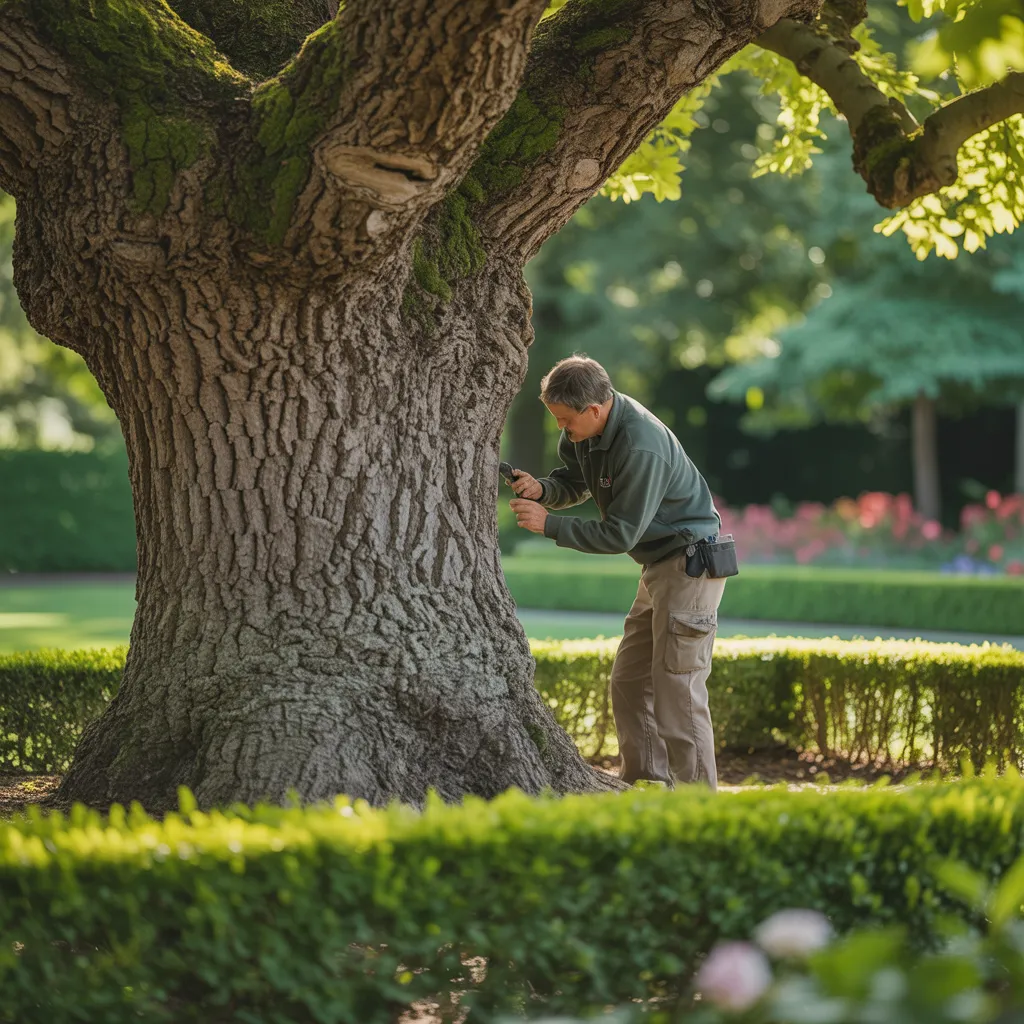
Identifying When Tree Removal Is Required
Moreover, ecological considerations, including roots intruding upon foundations analysis or walkways, can necessitate removal. Beyond that, the broader aesthetic and space-related concerns in a yard may affect the final decision. By evaluating these aspects, landowners can form sound judgments regarding tree removal decisions, safeguarding the safety and beauty of their environment.
The Importance of Tree Removal for Safety
When assessing the security of a property, tree removal frequently becomes necessary, particularly when trees pose risks to nearby structures or individuals. Deteriorating or overgrown trees can create substantial risks, such as falling branches or entire trees collapsing during storms. Such events can inflict serious harm on homes, cars, and outdoor areas, as well as pose a risk to the safety of inhabitants and visitors.
Additionally, trees infested with pests or diseases may damage their structural integrity, increasing the chance of unforeseen failures. In urban settings, proximity to power lines considerably elevates the necessity of removal, as fallen branches can interrupt electrical services and generate safety hazards.
The Impact of Professional Tree Removal on Landscape Aesthetics
Skilled tree removal greatly boosts the visual appeal of landscapes by improving visual balance within outdoor spaces. By strategically removing overgrown or misplaced trees, residents can maximize sun exposure, fostering stronger growth in adjacent plant life. Moreover, a well-maintained landscape often leads to enhanced property value, rendering professional tree removal an excellent long-term investment.
Enhanced Visual Harmony
A carefully tended landscape often relies on the careful balance of its elements, and tree removal can play a pivotal role in achieving this harmony. When certain trees become overgrown or misaligned with the overall design, they can disrupt the visual flow of the yard. Skilled tree removal allows homeowners to redefine sightlines and create a more cohesive aesthetic. This process can highlight the significance of existing features, such as garden beds or decorative stonework, allowing them to flourish without being overshadowed by unruly foliage. Furthermore, the removal of damaged or lifeless trees can prevent visual clutter, contributing to a more pristine visual presentation. Ultimately, purposeful tree removal fosters a feeling of structure, improving the elegance and allure of the overall landscape.
Amplified Sunlight Exposure
While the presence of trees can provide shade and shelter, an overabundance of canopy coverage frequently results in reduced sunlight penetration across a landscape. Professional tree removal can greatly enhance the aesthetic appeal of outdoor spaces by allowing more natural light to penetrate the area. Greater sunlight encourages lusher grass and vegetation, supporting vivid colors and robust growth. Moreover, it can cultivate a more appealing setting, causing outdoor spaces to appear more expansive and accessible. This transformation can also highlight architectural features of the home and improve the overall visual balance of the landscape. By strategically removing select trees, homeowners can achieve a harmonious blend of greenery and light, enhancing the enjoyment of their outdoor environment.
Enhanced Property Value
Strategic tree removal can significantly boost property value by enhancing landscape aesthetics. By removing dead, diseased, or overcrowded trees, homeowners are able to establish a more spacious and welcoming environment. This not only allows for better sunlight penetration but also showcases the remaining flora, making the yard appear more manicured and attractive. Expert tree removal services ensure that trees are cleared safely and effectively, avoiding harm to nearby structures. Moreover, a thoughtfully maintained landscape can enhance curb appeal, rendering properties more appealing to interested buyers. By choosing professional tree removal services, homeowners can dramatically improve the aesthetic quality of their outdoor areas, resulting in a notable rise in property value and market appeal.
What to Consider When Choosing a Tree Removal Service
When hiring a tree removal service, what attributes should one look for to secure a successful and smooth process? To begin, check the company's certifications, including licensing and insurance. This ensures the service is credible and shields against possible liability issues. Next, consider the experience and expertise of the crew. An experienced crew can properly evaluate the circumstances and complete the removal without harming nearby structures.
Furthermore, client reviews and testimonials provide insight into the reliability and quality of the company's work. A credible service should also supply thorough and transparent estimates and a well-defined process, outlining potential risks and strategies. Finally, inquire about the safety precautions and tools utilized throughout the removal. Considering these key qualities can lead to a smoother experience, guaranteeing the tree is eliminated properly while preserving safety standards and professionalism throughout.
Garden Upkeep Tips After Removing a Tree
Post-tree removal, homeowners should focus on rejuvenating the outdoor space to recover its beauty and ecological balance. The primary step includes inspecting the area for residual roots or waste material, which may obstruct new plant development. Clearing away any leftover stump or wood chips is essential for keeping pests at bay and opening up space for fresh plantings.
Furthermore, homeowners should consider the health of their soil. Conducting a soil test can uncover nutritional gaps, enabling appropriate amendments to encourage new plant growth. Selecting appropriate or native plants for replanting can assist in preserving the ecological balance and elevate the overall appearance of the landscape. Placing mulch near new plantings preserves water content in the soil and prevents weed growth.
Regular watering and monitoring for pests are essential throughout the initial development period. Moreover, creating a regular maintenance schedule, such as routine pruning and fertilizing, helps foster a thriving outdoor space. By implementing these recommendations, residents can be confident their yards will prosper post-tree removal.
Dispelling Common Misconceptions About Tree Removal Services
In the field of tree removal services, a number of misconceptions commonly emerge that may lead homeowners astray. These myths often overlook vital aspects such as safety concerns and the ecological consequences of removing trees. By addressing these common misunderstandings, greater insight into professional tree removal practices can be achieved.
Widespread Myths and Misconceptions Debunked
Misunderstandings regarding tree removal services frequently obscure public awareness, resulting in reluctance to seek professional assistance. A common misconception is that tree removal is inherently hazardous and must only be handled by certified professionals. While it's true that safety is paramount, a variety of trees can be handled effectively with appropriate techniques and gear. Another misconception is that tree removal guarantees increased property value; though in reality, this depends heavily on a range of different factors. Furthermore, many assume that tree removal leaves behind a desolate landscape, yet professional services can significantly improve outdoor appeal with thoughtful design. Ultimately, addressing these myths can encourage homeowners to make informed decisions regarding tree removal services without fear or misunderstanding.
Safety Risks Ignored
Despite the common belief that tree removal is an easy undertaking, many homeowners fail to recognize the safety risks involved. The process is far more complex than cutting down a tree; it demands professional knowledge to handle potential hazards such as falling branches, electrical lines, and unstable ground. Inexperienced persons often ignore these dangers, causing injuries or property damage. Additionally, the use of heavy equipment necessitates specific knowledge to handle properly. Myths persist that hiring professionals is unnecessary, yet experienced tree removal services are outfitted with the right tools and safety protocols to minimize hazards. Dismissing these safety concerns can have dire consequences, making it imperative for homeowners to understand the complexities of tree removal before attempting it themselves.
Environmental Impact Misconceptions
While many believe that tree removal is always damaging to the environment, this viewpoint frequently neglects key considerations. When conducted properly, tree removal can foster ecological stability. For instance, the elimination of dead or diseased trees helps curb the spread of harmful pests and diseases, preserving the health of adjacent vegetation. In addition, carefully planned tree removal can improve light penetration for thriving vegetation and strengthen soil conditions by limiting the rivalry for essential nutrients. Moreover, when trees are removed, sustainable practices such as replanting or landscaping with native species can lead to improved biodiversity. Misconceptions claiming that tree removal is always harmful fail to acknowledge the advantages of deliberate action, demonstrating that when done correctly, tree removal can contribute positively to the environment. Grasping these distinctions is vital for making well-informed choices about tree management.
Popular Questions We Receive
What Are the Typical Costs Associated With Tree Removal?
The typical cost of tree removal ranges between $300 and $2,000, with the price influenced by factors like tree dimensions, site conditions, and overall job complexity. Extra charges may apply for removing the stump or navigating hard-to-reach locations.
Will Homeowners Insurance Pay for Tree Removal?
Tree removal might be part of home insurance coverage, depending on the policy specifics and the reason for removal. It's critical for property owners to review their policies and speak with their insurance providers for a better understanding.
How Long Does the Tree Removal Process Take?
Tree removal usually takes several hours up to a full day, based on the tree's location, size, and overall complexity. Elements such as the availability of crew and equipment can also impact the total time required.
Can I Take Down a Tree Myself?
Cutting down a tree by yourself is achievable, but it necessitates substantial know-how, competence, and protective steps. Numerous elements, such as the tree's size and placement, affect the choice. Expert help is frequently advised to ensure safety and correct methodology.
What Permits Are Needed for Tree Removal?
Local regulations often dictate the necessary permits for tree cutting. Generally, property owners must refer to municipal guidelines, as permits could be needed for particular tree varieties, dimensions, or if the tree is found within environmentally protected regions.